

Data & Integration
Sensor history as training data: first deployments
What we learned when we plugged a world model into real SCADA historians and saw the data that actually comes out.
From the AMI Labs team on equipment world models, sensor data, process control, and on-premise industrial AI.
Every setpoint adjustment is a live experiment. We argue that a learned model of your specific machine changes the equation.
What we learned when we plugged a world model into real SCADA historians and saw the data that actually comes out.

When an operator changes a set point and does not log it, the historian shows an anomaly with no explanation. Here is how we detect and correct for undocumented changes.

A direct comparison of classical regression approaches versus causal world models when predicting how industrial equipment behaves across multiple operating regimes.
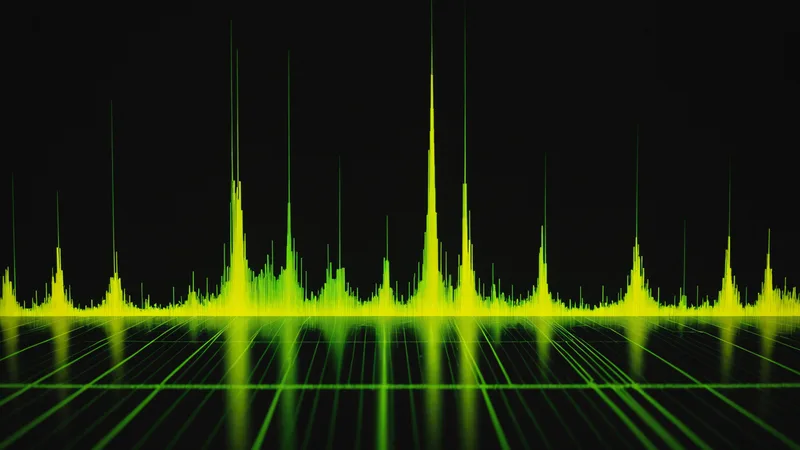
How the world model learns the baseline vibration fingerprint of a specific bearing, and what deviations from that fingerprint indicate about bearing health.

PID tuning traditionally requires live trials. We walk through how a machine world model changes that.

Not all sensor history is equal. Here is what to check before you feed data to a world model trainer.

What needs to happen between extracting raw historian data and having a usable world model. A practitioner walkthrough.

The causal inference engine at the core of AMI Labs: how it represents control variables, state, and response trajectories for forward prediction.

How we measure whether a learned model of a machine is accurate enough to trust for live prediction.

A world model trained on temperature and feed-rate history can identify the precursors to thermal runaway before a human operator can detect them.
Why OPC-UA is the right standard for feeding live sensor data to an equipment world model, and how we integrate it into on-premise inference.
On-premise and edge deployment changes the prediction latency profile significantly. Here is what matters and what does not.